
2025
LAWRENCE PAUL YUXWELUPTUN born 1957 in Kamloops, BC
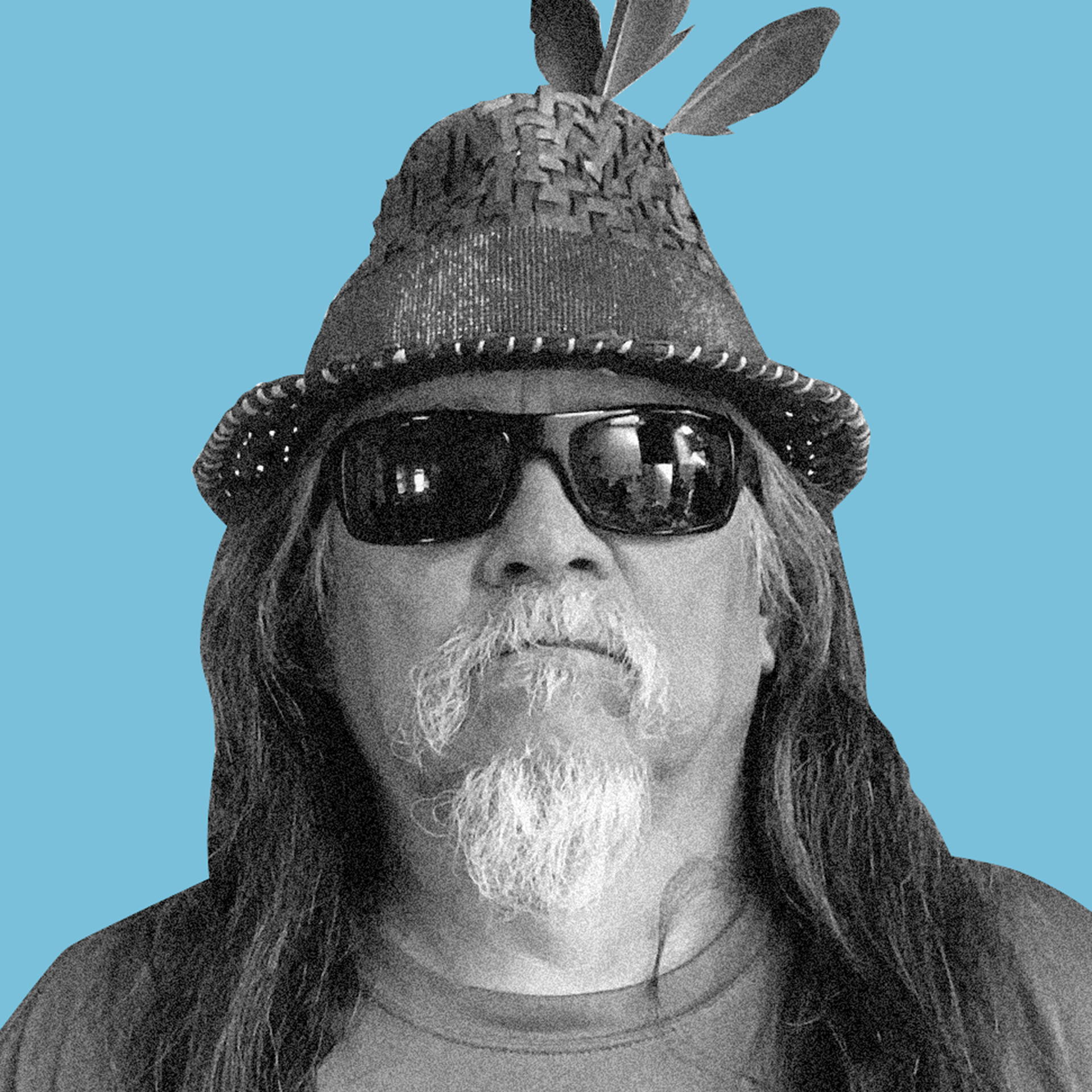
LAWRENCE PAUL YUXWELUPTUN born 1957 in Kamloops, BC
Yuxweluptun’s unique approach to artmaking, blending the conceptual with the political, has had a significant impact on subsequent generations of First Nations artists and has emboldened practices that echo his strategies of engagement.
Man of many masks/Man of many colours
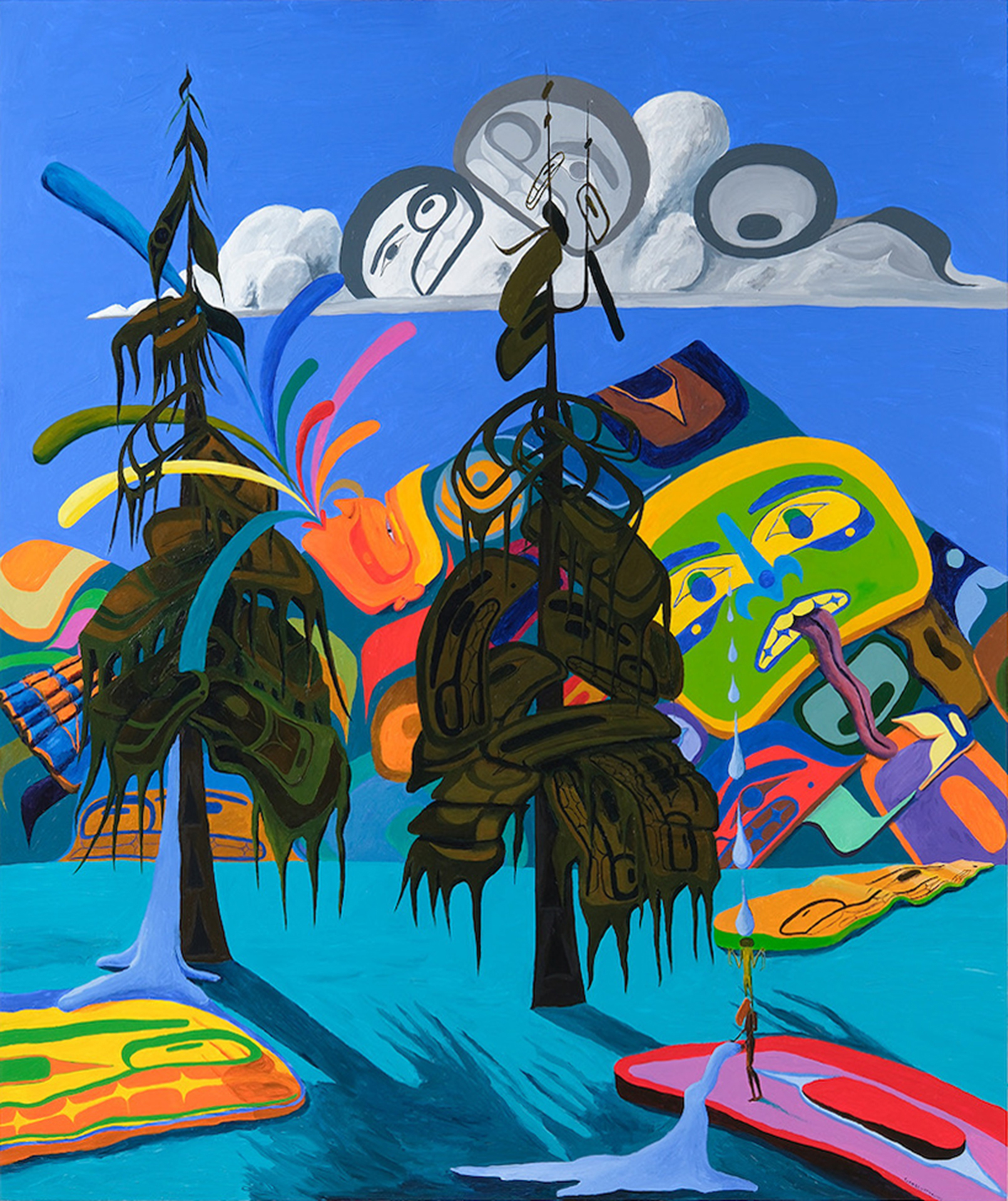
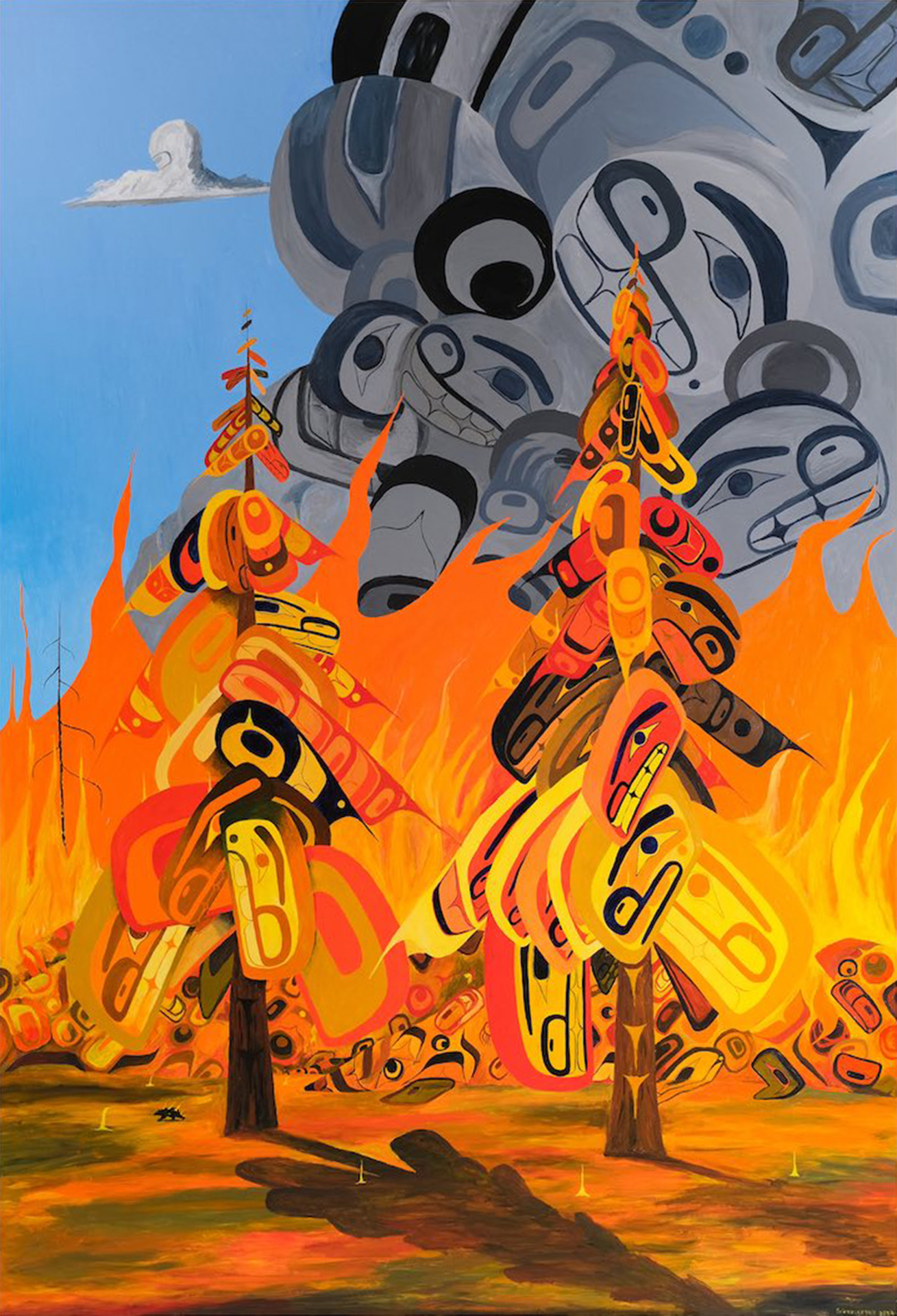
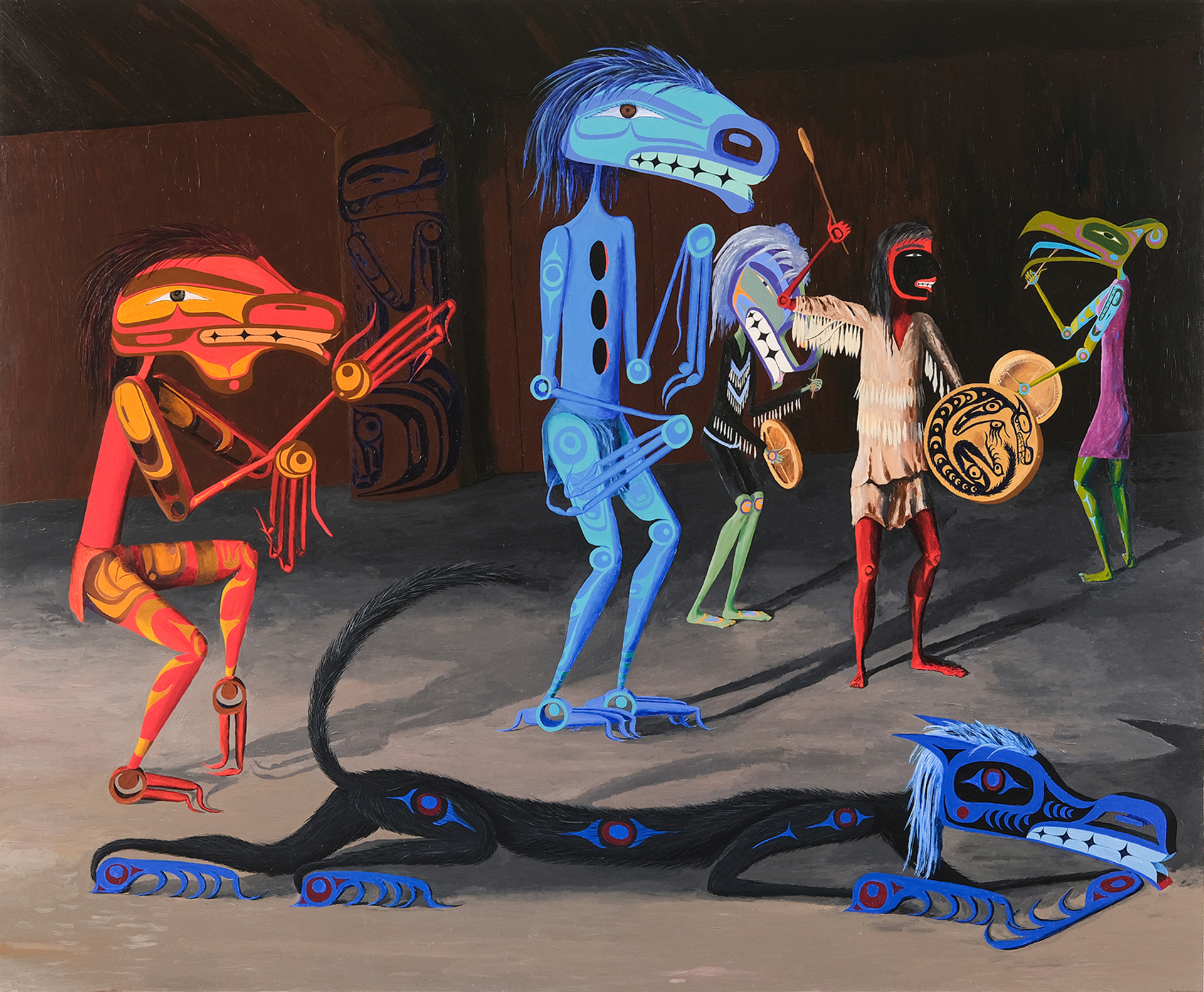
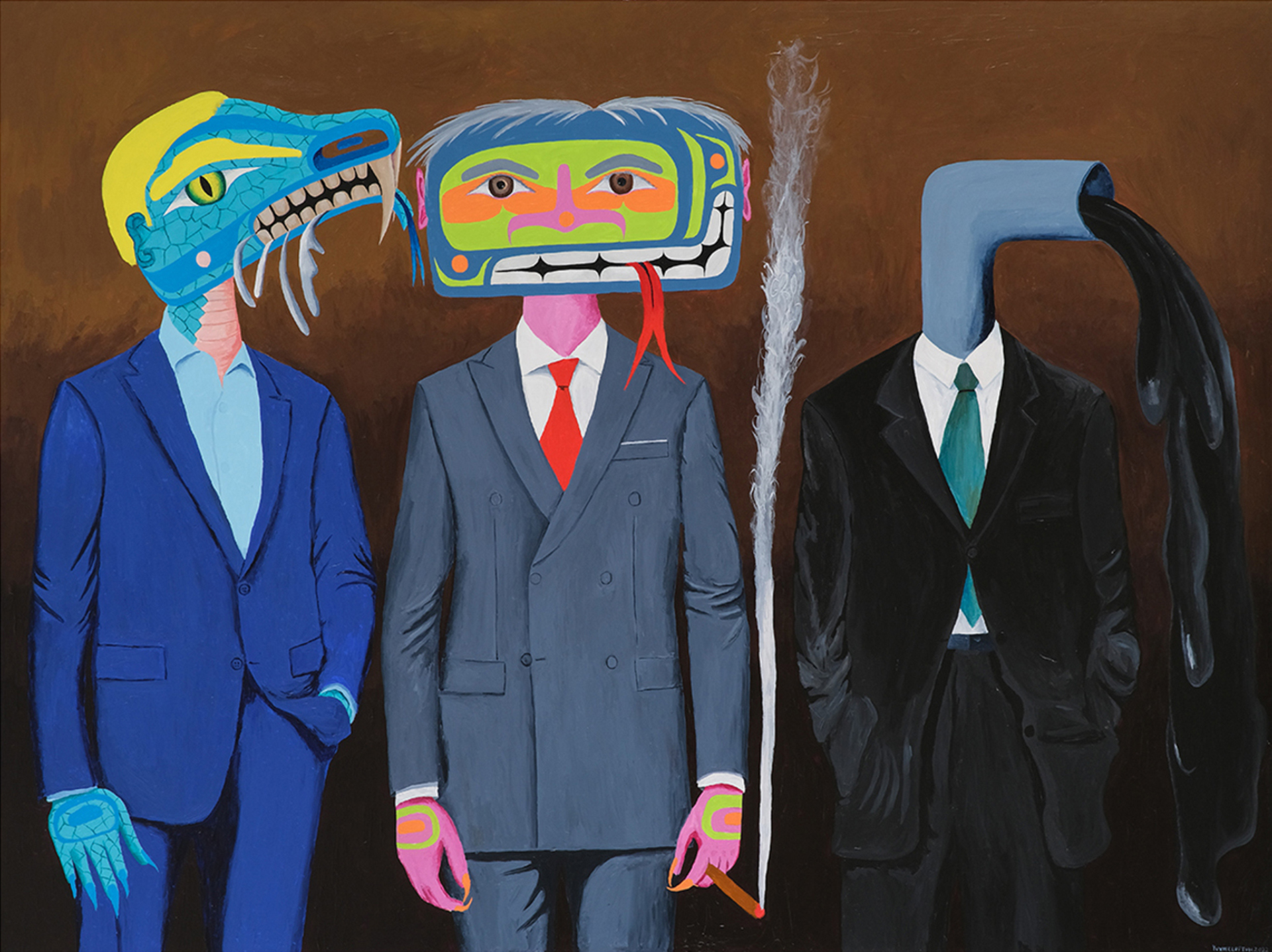
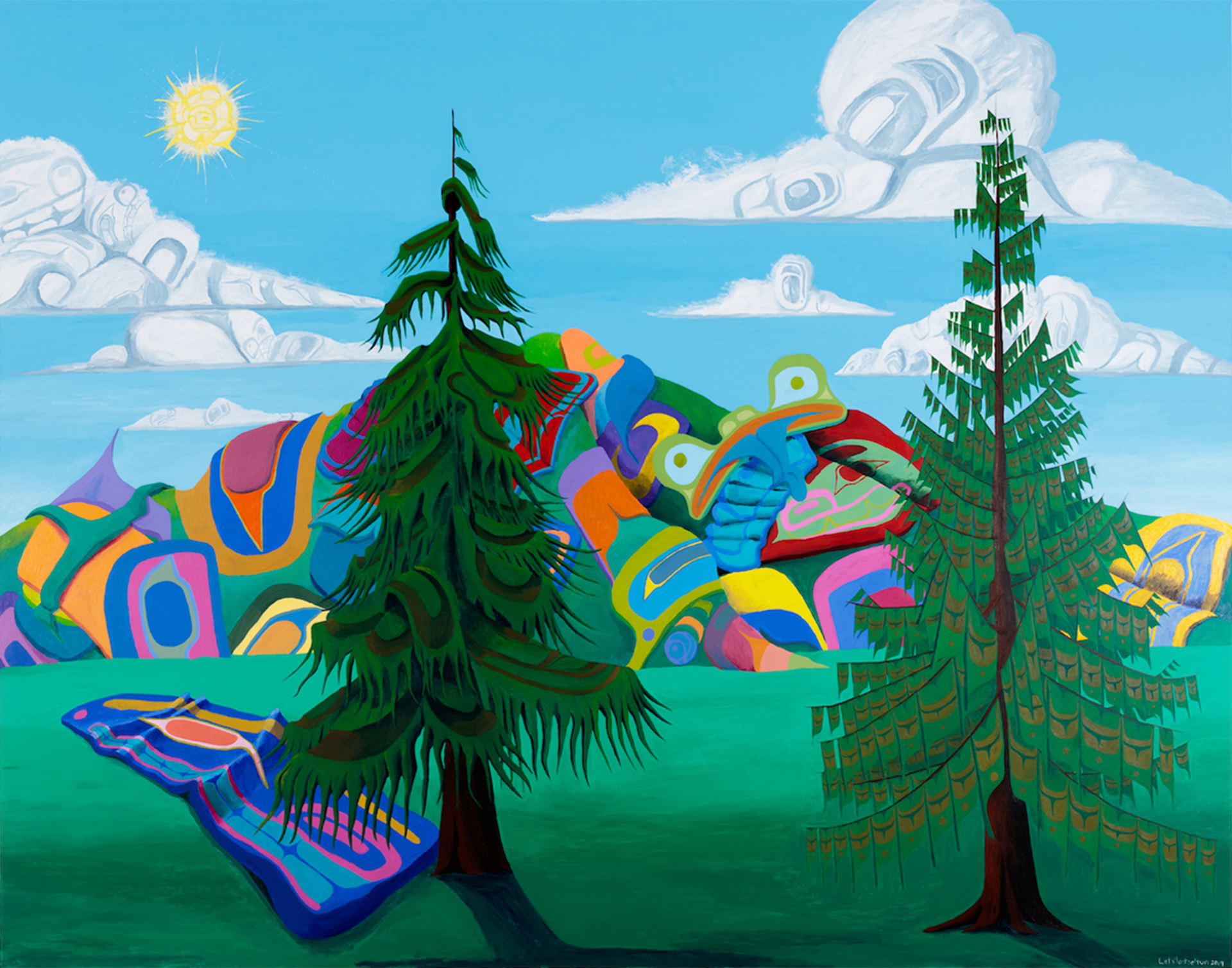
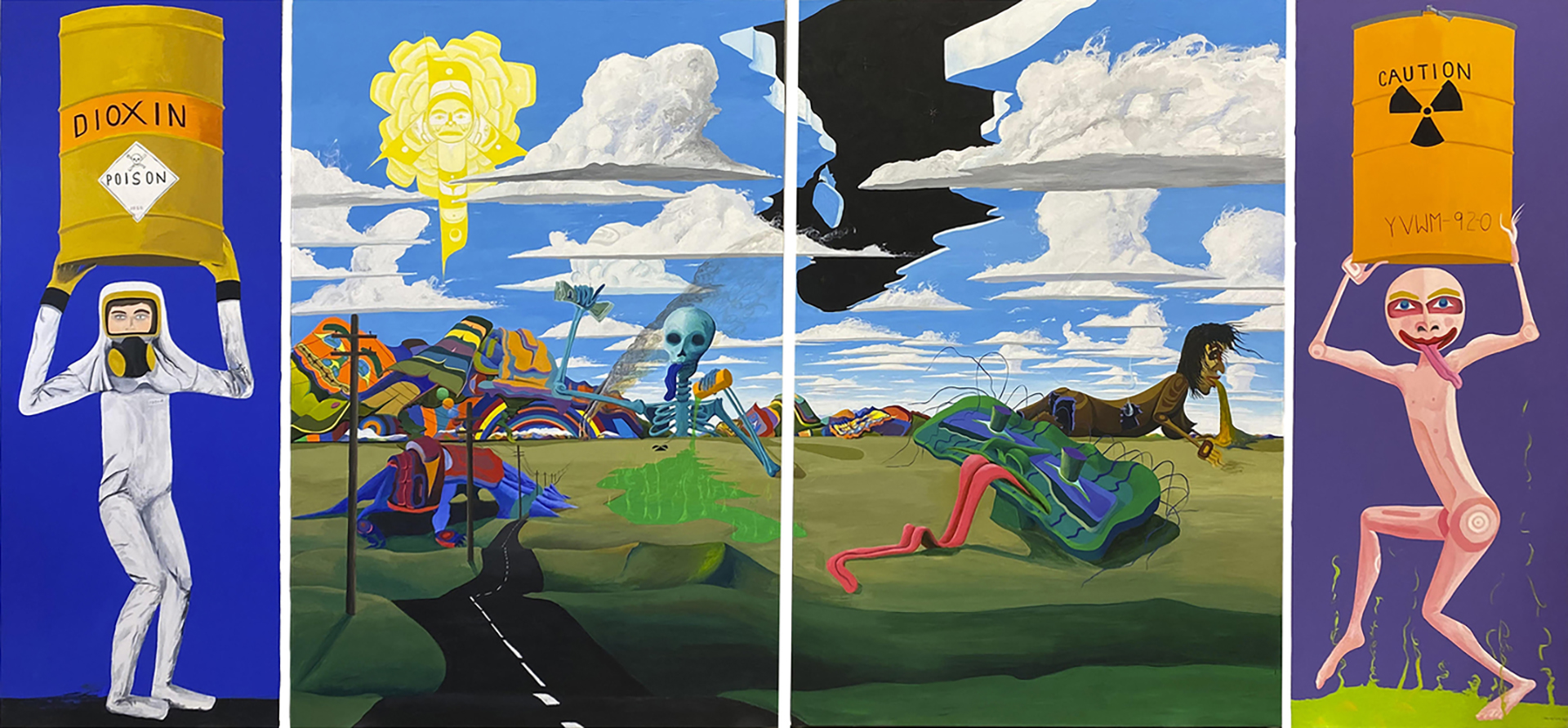
For many decades, artist Lawrence Paul Yuxweluptun (b.1957), of Cowichan (Hul’q’umi’num Coast Salish) and Okanagan (Syilx) descent, has been creating paintings that confront colonial histories and their impact on Indigenous communities of the Pacific Northwest while shaping a unique visual language within Indigenous modernism. In 2003, Yuxweluptun wrote “The Manifesto of Ovoidism”—a document articulating the artist’s visual language and conceptual approach developed since the 1980s. The manifesto, named after one of the key shapes in traditional Northwest Coast art, spelled out artistic principles aligned with a political vision that centred Native reason and philosophy. A residential school survivor, like his father, the artist grew up in a politically active family and, from early life, has been involved in Indigenous justice movements demanding changes to the Canadian Government’s policies. The manifesto is a crystallization of artistic vision and political beliefs that, like his work, point the way to colonial deconstruction and Indigenous reconstruction. The large scale of Yuxweluptun’s paintings as well as their subject matter place the artist in the long-established tradition of history painters. His characteristic figures drawn from Coast Salish tradition are always placed within the landscape of the Pacific Northwest—a constant reminder of the role land plays in grounding the present in the contested events of the past. Through his paintings, the artist seeks to amplify the voice of communities that have been relegated to the reduced confines of reservations and portray not only the realities of the contemporary Indigenous condition but also visions of possible futures.
Stylistically, Yuxweluptun’s iconic compositions combine several recurring elements—a vibrant colour palette, floating ovoid abstractions, elongated figures set against a landscape marked by devastation. The meaning of these narrative scenes is further illuminated through characteristically long titles such as Scorched Earth, Clearcut Logging on Native Sovereign Land, Shaman Coming to Fix (1991). The glue holding the artist’s practice together is his advocacy for the rights of First Nations people, particularly those living on their ancestral territories. His exhibitions have brought forward existential questions about Indigenous sovereignty and have incorporated activist campaigns. One such effort, as part of his 2016 solo exhibition at the Museum of Anthropology in Vancouver titled Unceded Territories, focused on renaming the province of British Columbia.
Yuxweluptun’s unique approach to artmaking, blending the conceptual with the political, has had a significant impact on subsequent generations of First Nations artists and has emboldened practices that echo his strategies of engagement. What he calls “sovereign rainbows” are a long-standing motif in his paintings, intended to represent how the rights of Indigenous people are inseparable from the land, its spirit and power. They are signifiers of the many possibilities of transformation and renewal ahead, but more importantly, they are a manifestation of Yuxweluptun’s ability to reclaim culture and agency for the Indigenous communities living on this scarred land we call Canada.
Adelina Vlas
Stephan Jost
Sarah Milroy
Crystal Mowry
Adelina Vlas
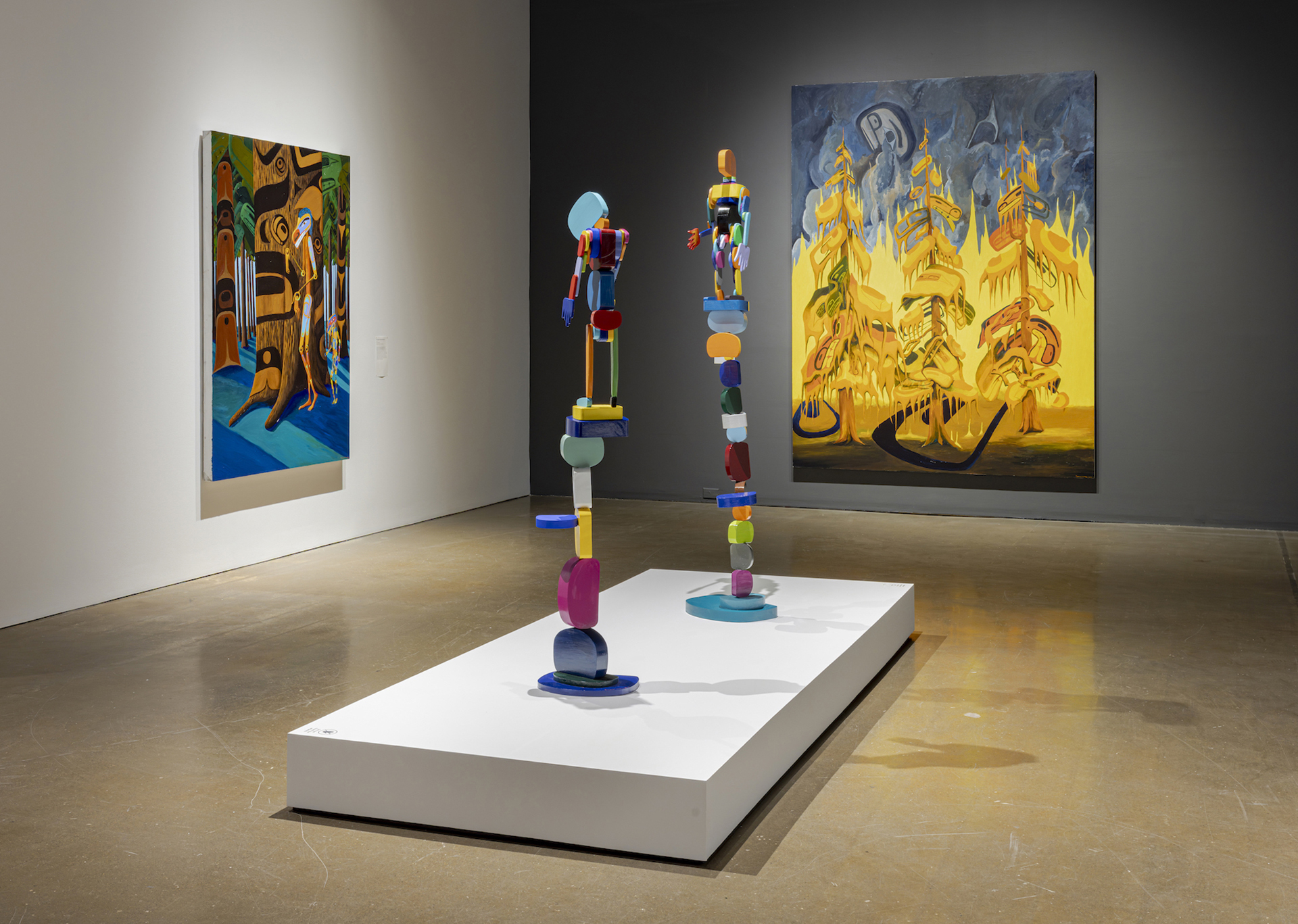
Installation view of Lawrence Paul Yuxweluptun: Floor Opener at the Kitchener Waterloo Art Gallery, 2025
All images courtesy the artist and Mcaulay + Co., Vancouver, BC. Photo of Lawrence Paul Yuxweluptun by Byron Dunce.
The information is current to the date when the artist received the Prize; for current information, please see the artist’s and/or gallery’s website.